Suite login
-Mar-11-2025-10-07-16-4716-AM.jpg?width=2000&name=Reception%20with%20Guest_00125%20(3)-Mar-11-2025-10-07-16-4716-AM.jpg)



For years, smart revenue management, underpinned by accurate forecasting, has been the holy grail for profitable hotels. But in today’s market, it’s no longer a “nice to have”, it’s essential.
Demand has become increasingly unpredictable. One week you’re seeing a surge driven by a local event, the next you’re managing softer, more uncertain booking patterns. At the same time, you’re dealing with hugely volatile energy prices, rising operating costs and increasingly complex distribution channels. In this environment, relying on gut instinct or static pricing models just won’t cut it. Hoteliers need real-time, data-led insights to stay competitive and profitable.
This plays out in very practical ways. It’s about adjusting rates dynamically when demand spikes, shifting inventory towards more profitable direct channels to reduce commission spend, and forecasting staffing and stock levels more accurately so you’re not over- or under-resourced. When forecasting is done well, it doesn’t just drive top-line revenue, it protects margins across the entire business.
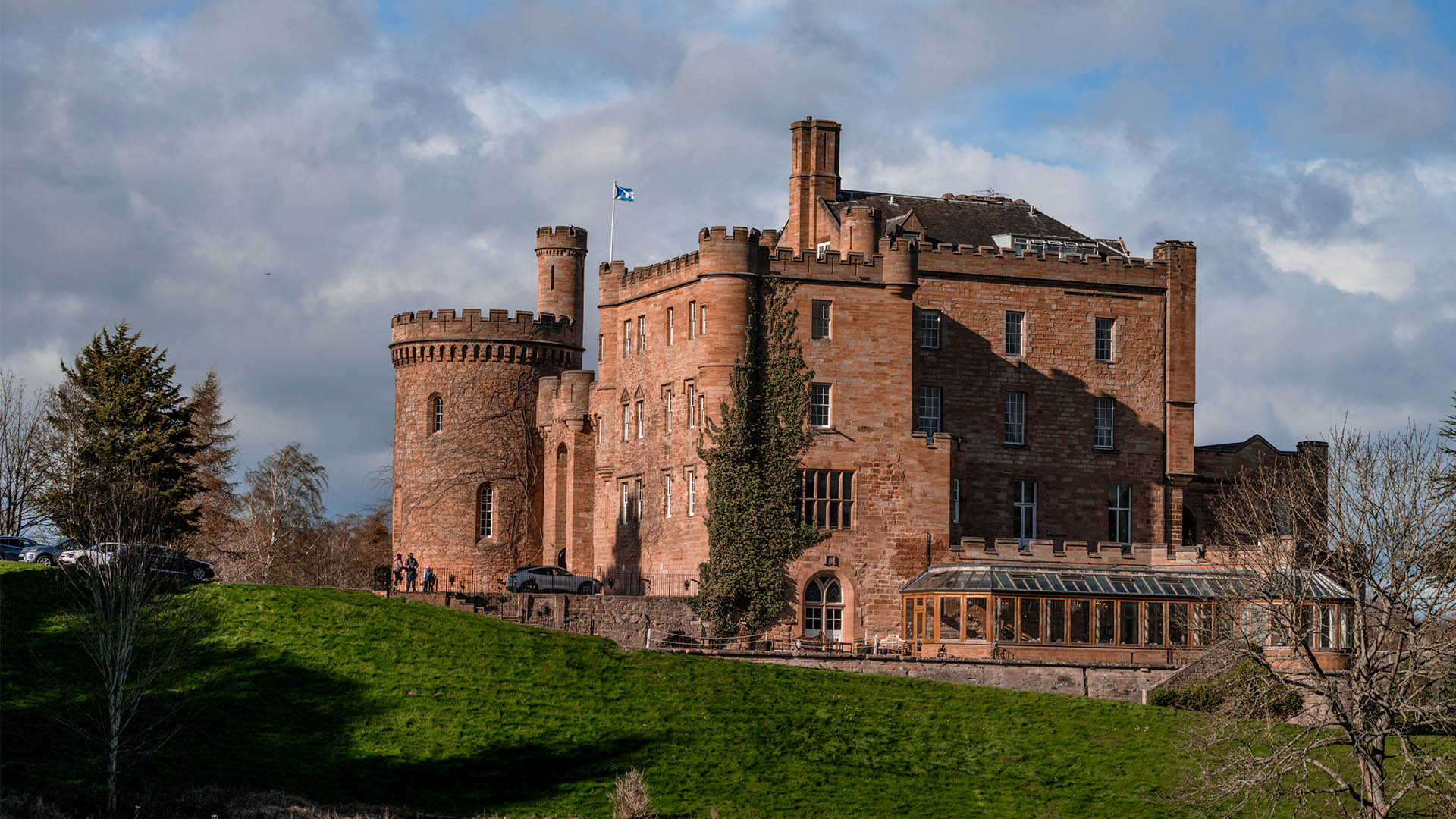
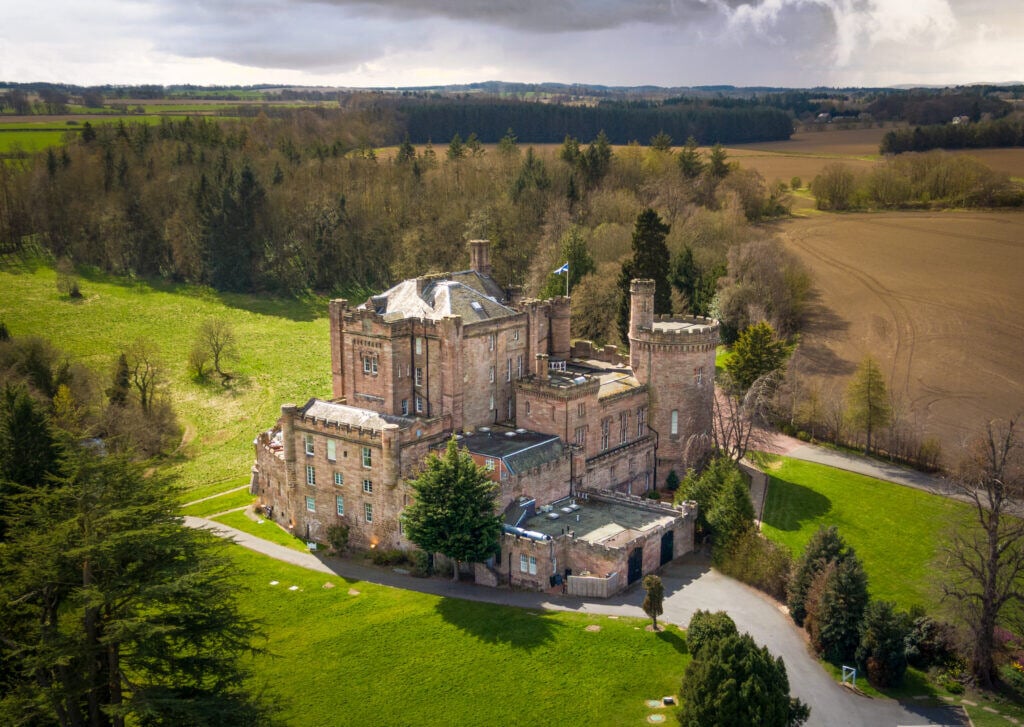
Dalhousie Castle offers a strong example of what this looks like in practice. The 800-year-old historic castle hotel has recently undergone an extensive refurbishment, firmly positioning itself at the luxury end of the market. By consolidating its tech stack into a single platform and introducing Profitroom’s RevenuePro, the team has moved from reactive decision-making to a more strategic, data-driven approach to revenue and distribution.
The results have been impressive. In just a few months, the hotel doubled its online revenue and increased ADR by 21% while maintaining solid occupancy. Just as importantly, it reduced its combined OTA commission rate by 15% - showing the real financial impact of taking back control of distribution.
What’s particularly interesting is how this approach has influenced other areas of the business. By integrating restaurant bookings into the guest journey, Dalhousie Castle increased pre-booked dining from 15% to as high as 90%. It’s a clear reminder that better forecasting doesn’t just benefit rooms, it can unlock value across the entire guest experience.
Perhaps the biggest shift, though, is mindset. With greater visibility over future demand - including an extended booking window now stretching to 18 months - the team is no longer reacting to the market, but actively shaping it.
For boutique hoteliers, that’s the real takeaway. Forecasting is no longer a back-office exercise, it is a strategic tool that underpins every commercial decision. And in a market where margins are tight and competition is fierce, those who don’t get to grips with it risk leaving serious revenue on the table.
Michael JoneS - Regional Revenue Service Manager