Suite login
-Mar-11-2025-10-07-16-4716-AM.jpg?width=2000&name=Reception%20with%20Guest_00125%20(3)-Mar-11-2025-10-07-16-4716-AM.jpg)


.png)
.png?width=1200&height=627&name=EN%20Blog%20Template%20-%20NEW%20CI%202024%20(5).png)

The Summer Demand Curve
Hover over each stage to reveal what's happening — and what your hotel should be doing right now.
- Action item
The Summer Demand Curve: Experience Beyond the Booking
Summer represents the most important revenue period for many hotels, particularly in the South West. Yet peak performance is rarely determined during the summer months themselves. Success is shaped by how effectively hotels respond to the demand pick-up curve in the months leading up to peak travel.
Booking patterns for 2026 reveal a significant shift in traveler behavior: while the volume builds gradually, the quality and value of early bookings have reached unprecedented level, high-value guests are securing inventory earlier and staying longer. Hotels that understand this curve are aligning their strategies to capture high-value demand long before the first guest checks in.
Stage 1 · Early Planners
Early Planning Drives High-Value Bookings ~4 months before peak · March to April
The first wave of demand is driven by high-value guests who prioritise availability over price. According to current partner data, 2026 figures confirm this segment is stronger than ever: Average Booking Value (ABV) is up drastically by 51–67% compared to this time last year. These "anchor" guests provide a stable base, hotels that launch summer packages early are securing guests who are not looking for discounts, but for the best possible experience.
Stage 2 · Inspiration
Experience Positioning Influences Decisions 3–2 months before peak · April to May
As travelers enter the inspiration stage, they compare the depth of the stay. This positioning is directly reflected in yield: properties focusing on unique value propositions are seeing Average Daily Rates (ADR) grow by 3–10% year-on-year for the June–August period. When you highlight local partnerships and curated connections, you move the conversation away from "price per night" and toward "value of experience."
Stage 3 · Conversion
Conversion Happens Weeks Before Arrival 6–8 weeks before peak · Late May to June
While search activity intensifies closer to summer, the "Premium Planner" has already set the pace. For example, peak August bookings currently show an ADR of £409 with an ABV of £1,486. By optimising mobile booking journeys and retargeting during this window, hotels can capture the remaining inventory at premium rates, capitalising on a market that has already proven its willingness to spend for the right stay and more importantly the experience.
Stage 4 · Peak Season
Beyond Rooms: The Rise of Experience-Led Travel In-season · July to August
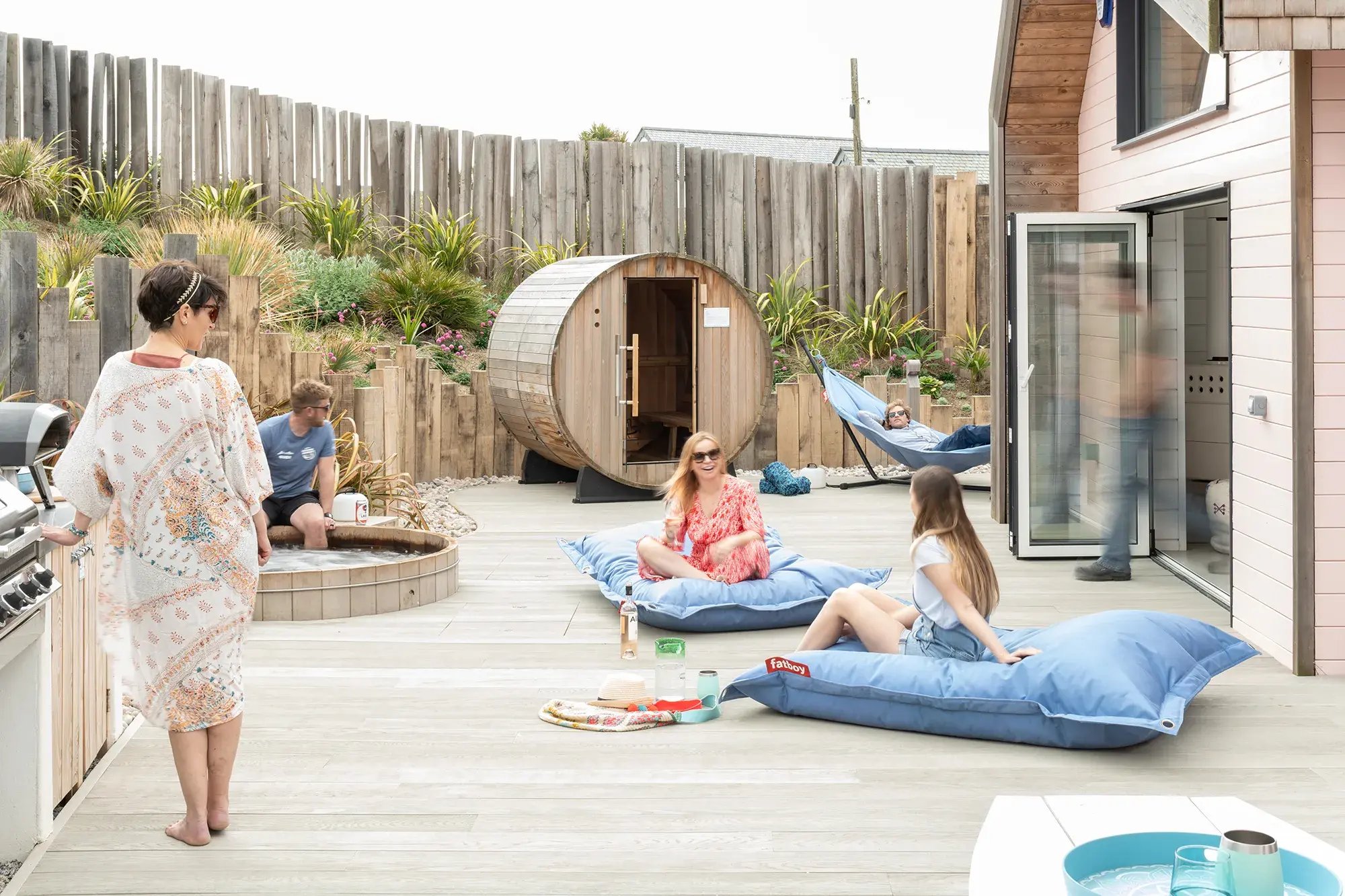
The most critical shift in 2026 is the expansion of the holiday itself. The Average Length of Stay (ALOS) has grown from 2.2 nights to 3.2–3.5 nights, signaling that guests are trading short breaks for immersive summer holidays. Hotels that act as "experience providers" rather than just bed-sellers are seeing higher on-site spend and stronger emotional connections, which are the primary drivers of repeat visits.
Stage 5 · Post-Season
From Accommodation Providers to Memory Makers Post-season · September onwards
The hotels that win in a competitive market are those that transform a stay into a memory. The health of this strategy is already evident in the "confidence check" of early spring: April 2026 is already 21% ahead of April 2025 in booking pace. By shifting the focus from room sales to "memory making," hotels create a year-round resilience that extends beyond the traditional August peak.
The Bottom Line
Revenue is rarely just about price; it is the result of a seamless booking journey combined with a compelling experience.
- The Quality Shift: With ABV up over 50% and stays lengthening by over a full night, the 2026 season is defined by efficiency over volume.
When the process feels effortless and the stay feels exciting, guests become far less sensitive to price and far more likely to become loyal guests.