Suite login
-Mar-11-2025-10-07-16-4716-AM.jpg?width=2000&name=Reception%20with%20Guest_00125%20(3)-Mar-11-2025-10-07-16-4716-AM.jpg)





.png)
Rate Parity:
Why Your Rates Are Showing Up Where You Never Put Them
You've done everything right. Your rates are set, your channels are loaded, and then a guest messages you to ask why they found your room cheaper on some website you've never seen before. Sound familiar?
This is one of the most common frustrations we hear from hoteliers, and the honest answer is:
the distribution landscape is far messier than most people realise.
Here's what's actually going on:
The rate left your system, and then took on a life of its own
Here's something that surprises a lot of hoteliers. When a rate leaves your property management system, you don't always get to control what happens to it next.
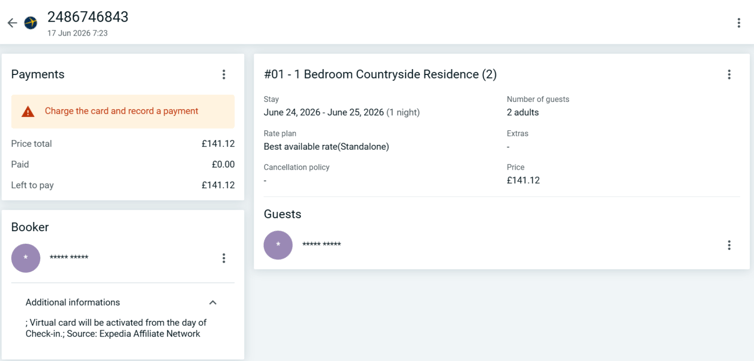
Bedbanks pass rates to aggregators. OTA affiliate programs quietly distribute them to third parties. Two booking platforms owned by the same parent company share member discounts with each other automatically. By the time a guest sees a price, it may have passed through three or four different hands, with each one having the ability to adjust what gets displayed.
And here's the part that catches people off guard: none of this necessarily means you did anything wrong. In a lot of cases, it's simply how the ecosystem works.
Some real examples of how this plays out
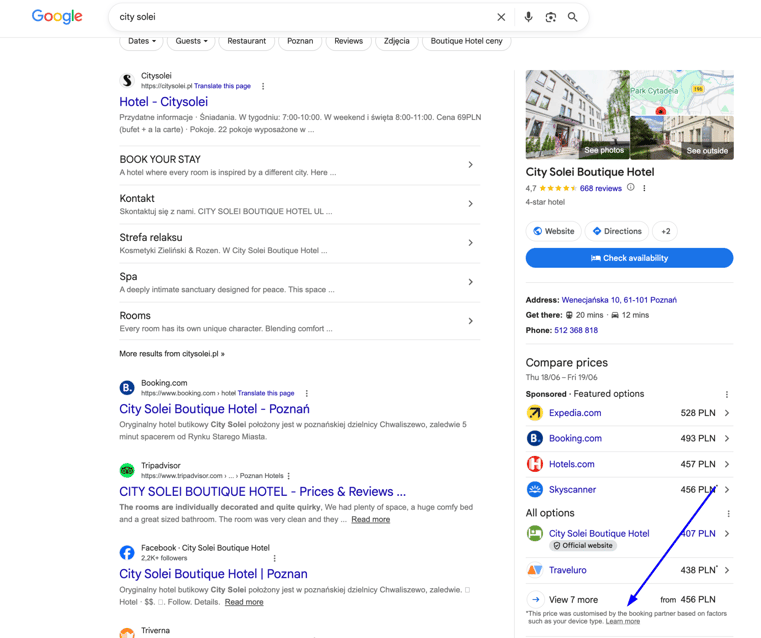
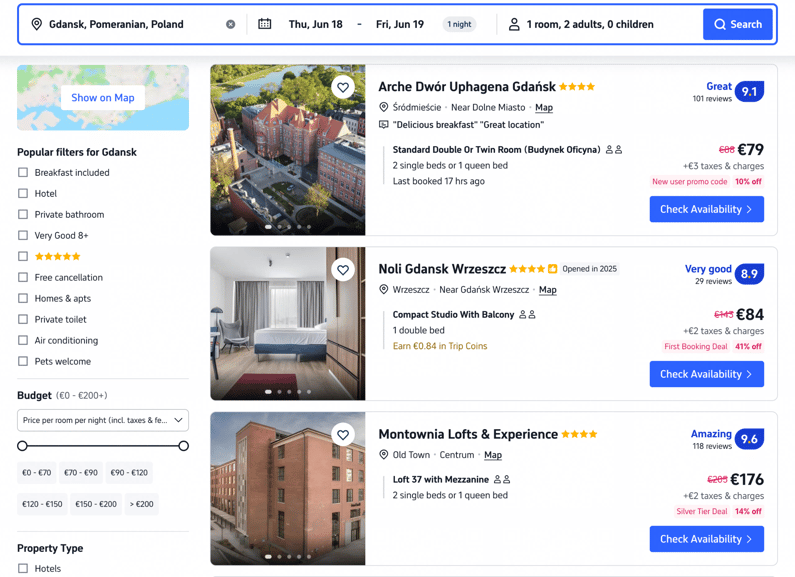
A rate you negotiated with a tour operator ends up visible on a public metasearch platform. A discount applied by an OTA affiliate appears on a sister platform you've never had a conversation with. A channel quietly reduces its own commission to display a lower price to guests, making it look like your rate parity has broken, even though technically it hasn't.
Each of these scenarios has a different cause, and a different solution. Which is why the first thing to do when you spot a problem is to figure out where it's actually coming from, because the platform showing the dodgy rate and the channel that created it are often two completely different things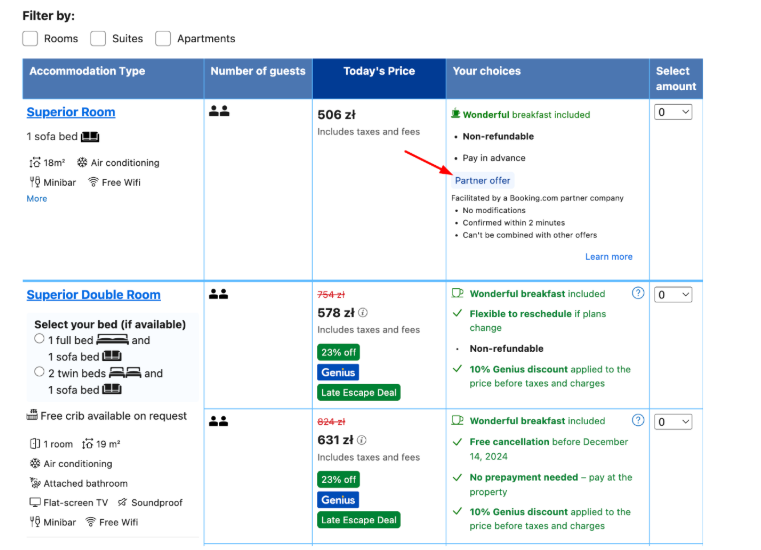
So what do you actually do about it?
Start by eliminating possibilities. Temporarily restrict availability on specific channels and see whether the discrepant rate disappears. It's a bit painstaking, but it works.
Once you've traced it back to the source, that's where the conversation needs to happen. Going to the platform displaying the rate rarely gets you anywhere. You need to talk to the contracted channel that originated it.
It's also worth digging out your contracts with wholesale partners and tour operators. If there's no clause explicitly preventing them from distributing your rates publicly, you may find you have less leverage than you'd expect.
A few things that make this easier to manage
Your channel manager is your best friend here. Being able to control exactly what flows where, and switch things off quickly when needed, makes all the difference when you're trying to track something down.
It's also worth setting up a dedicated rate category for direct bookings, kept completely separate from everything else. If that rate ever shows up somewhere it shouldn't, you'll know immediately.
One last thing
Sorting out a rate parity issue once doesn't mean it stays sorted. Channels update their affiliate relationships, new platforms appear, and even currency conversion differences can create apparent discrepancies out of nowhere.
The hoteliers who handle this best aren't the ones who react fastest when things go wrong. They're the ones who keep an eye on it regularly, so problems get caught early and dealt with before they start costing real money.