Suite login

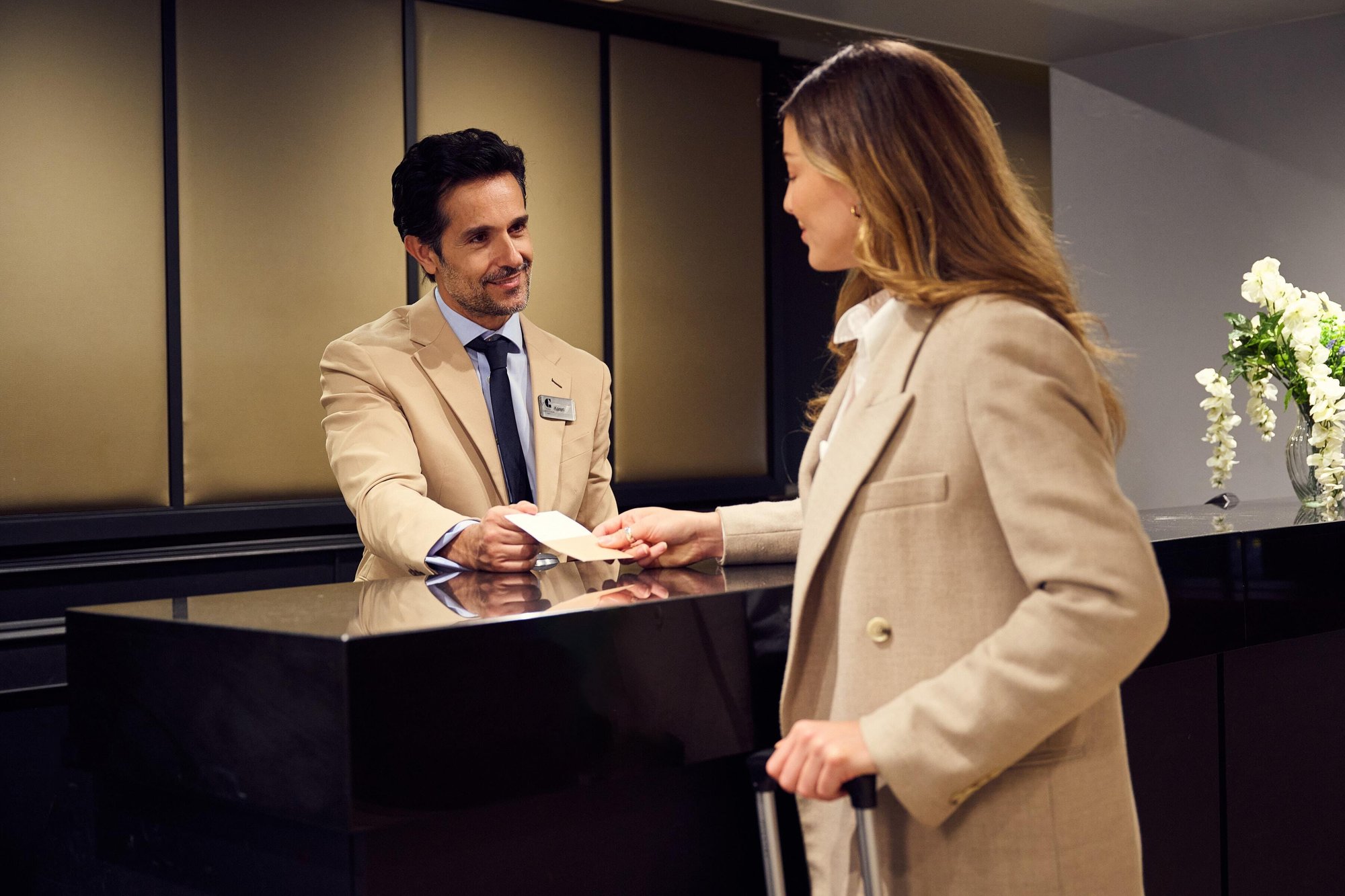






A hotel marketing strategy that reduces OTA dependence uses OTAs for reach and invests your budget where guests compare prices and decide. For most hotels and resorts, that means metasearch and your website. OTAs still account for almost 3 in 10 overnights at European hotels (1), so switching them off is rarely realistic. A better goal is a healthier mix: more guests booking direct the first time, and more coming back direct for the next stay.
Key Takeaways:
- Use OTAs to reach new markets, and judge them by revenue after commission.
- Put your direct rate on metasearch, where guests compare prices before they book.
- Sell the whole stay on your website, with packages an OTA listing cannot show in full.
- Ask OTA guests for an email address and consent so their next booking comes direct.
Should a Hotel Marketing Strategy Still Include OTAs?
Yes, as one paid channel among several. OTAs reach travellers you could not reach alone, especially in distant source markets. HOTREC's 2026 study puts them at 29.9% of European hotel overnights in 2025, against 51.3% for direct channels (1). The trend is the concern: in 2013, OTAs took 19.7%.
A sound marketing strategy for the hotel industry treats commission as an acquisition cost. OTAs should bring guests you could not find yourself, not guests who would have booked with you anyway. Paying commission on a returning guest means paying twice for someone you already won, as we argue in Direct bookings are great. Direct relationships are better.
Where Should Hotels Show Up When Guests Compare Prices?
On metasearch first. More than half of European hotels (58%) connect to metasearch, and 83% of those use Google Hotel Ads (1). Google stopped offering third-party rates for hotel ads after 30 September 2026, so hotels now need their own direct price feed to appear there (2).
Metasearch is where a guest who found you on an OTA can still book with you. Profitroom's Pay-Per-Stay Campaigns place your direct rate on platforms such as Google Hotel Ads, Trivago and Tripadvisor, and you pay only for completed stays.
New marketing strategies for hotels also include AI assistants, which guests increasingly use to ask for recommendations. Our guide on how to optimise your website for AI search covers the technical side.
What Should Your Website Sell That an OTA Listing Cannot?
The whole stay. A resort sells spa time, dinners, guided walks and local knowledge, while an OTA listing reduces most of that to a room type and a price. Your own website can sell the package as a single booking.
Guests are also more used to booking hotel websites in real time. Such bookings made up 13.9% of overnights in 2025, against 7.4% in 2013 (1). According to Profitroom's client data, Wilderness Hotels in the Nordics earn 83% of their online revenue from packages and experiences, and their direct bookings are worth four times more than those from other online channels. Read how spa hotels increase direct bookings by selling experiences.
How Do You Turn OTA Guests Into Direct Repeat Guests?
Start during the stay. Many OTA bookings arrive without a usable email address, so collect one before the guest leaves:
- Ask for an email address and marketing consent at check-in or in the welcome message.
- Send a thank-you email within a few days of check-out.
- Give a reason to book direct next time, such as a member rate, late check-out or a spa credit.
- Invite them to join your loyalty programme, so member offers reach them in later campaigns.
Profitroom's Smart Guest Database collects email addresses at every touchpoint and Profitroom Loyalty rewards guests who book on your website with instant discounts and bonuses from their first booking. Without this step, a hotel marketing strategy keeps paying to win the same guests.
Book a demo to see how Profitroom puts your direct rate on Google Hotel Ads and brings OTA guests back to book direct.
FAQ
What are the new marketing strategies for hotels in 2026?
The biggest changes concern where guests decide. Hotels now need their own price feed for Google Hotel Ads and a website AI assistants can read. Many also answer questions on WhatsApp or website chat at any hour through an AI agent.
What share of bookings should come direct?
There is no universal target. Direct channels generated 51.3% of European hotel overnights in 2025, and surveyed hotels in Finland reached 62.7% (1). Compare your share with your own history and market, and track what each booking costs you to win.
Can a small hotel compete with OTAs on visibility?
Not on advertising budget, and it does not need to. Pay-per-stay metasearch puts your direct rate next to OTA listings without upfront media spend, so a 20-room property pays only when a guest completes a stay.
- HOTREC and HES-SO Valais-Wallis, "European Hotel Distribution Study 2026", 15 September 2026, hotrec.eu/media/static/files/import/all_news_2026_2026_35/full-study_european-hotel-distribution-study-2026_hotrec.pdf
- Google, "About Google third-party rates for hotel ads", Hotel Center Help, support.google.com/hotelprices/answer/14310302